Recycling and Sustainability — Business Waste Removal Spitalfields
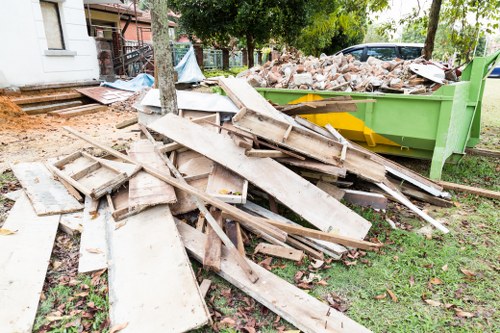 Business Waste Removal Spitalfields is committed to creating an eco-friendly waste disposal area that supports local businesses and the community. Our approach to Spitalfields business waste disposal balances practical commercial waste management with ambitious sustainability goals. We combine secure collections for shops, restaurants and offices with separation processes that prioritise reuse and recycling over disposal. This page outlines how we deliver a sustainable rubbish area strategy tailored to the dense, mixed-use character of Spitalfields and neighbouring boroughs.
Our strategy sets a clear recycling percentage target: we aim to achieve a 70% recycling and diversion rate for commercial waste streams collected across Spitalfields by 2030. That target covers dry mixed recycling, organic food and green waste, and specialist streams such as textiles and e-waste. To reach that target we invest in training for drivers and operatives, customer guidance for correct material separation, and continuous improvement through monthly audits and reporting. This target is aligned with local ambitions for a greener, low-carbon economy.
 In practice, our routes link businesses with nearby local transfer stations and processing hubs to minimise transport time and handling. We use transfer facilities that serve the eastern London boroughs, ensuring materials collected from Spitalfields are delivered quickly to borough-run and regional sorting centres for onward recovery. Our systems reflect the boroughs' approach to waste separation — promoting separate streams for paper and card, glass, cans and plastics, and organic food waste where available — so materials enter the correct treatment stream at the earliest stage.
Partnerships with local charities are central to creating a true circular economy in Spitalfields. We operate formal reuse channels so that high-quality furniture, fixtures, clothing and surplus stock are diverted to charitable partners and social enterprises rather than being sent for disposal. These collaborations support community reuse centres and shelters, and help businesses contribute to social value. Items diverted via charity partners are tracked separately in our reporting to demonstrate transparent reuse outcomes.
 To expand reuse and repair opportunities we run specialist collections for e-waste and bulky items. Electronic equipment is separated and assessed for refurbishment; where repair is viable we work with local repair cafes and social enterprises to extend product life. For textiles and soft furnishings, material quality assessment allows us to route items to charity shops or textile recyclers rather than landfill. This practical reuse-first philosophy reduces the amount of material entering residual waste, and supports a local second-hand economy.
Our fleet features low-carbon vans and vehicles designed for urban access and low emissions. We deploy a mix of electric and hybrid vans across Spitalfields, supplemented by route optimisation software that reduces mileage and idling time. Telematics and driver coaching cut fuel use and emissions, while scheduled servicing maintains fleet efficiency. Low-carbon collection vehicles are paired with off-peak collection options for busy commercial streets, lowering congestion and improving air quality in the neighbourhood.
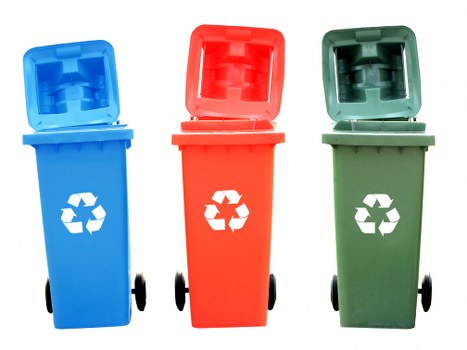
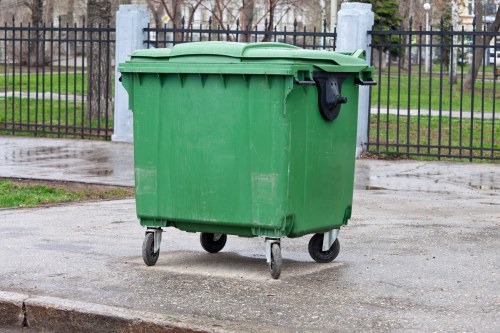
Creating a recognised sustainable rubbish area requires the right onsite infrastructure. We offer businesses segregated containers and lockable communal bins, colour-coded to match borough recycling standards, and a range of skips designed for mixed recycling, timber, metals and inert materials. Our service proposals include clear signage and training so staff understand how to separate materials: paper and card, glass, plastics and metals, food waste, textiles and WEEE (Waste Electrical and Electronic Equipment). These measures reduce contamination and increase recovery rates.
 Monitoring and transparent reporting are essential to meeting our recycling percentage target. We provide monthly dashboards showing tonnages collected, diversion rates, and reuse outcomes through charity partnerships. Reports also detail carbon savings from low-emission vehicles and transport reductions achieved through transfer station routing. These metrics allow businesses to demonstrate environmental performance and support internal sustainability targets, corporate social responsibility statements, and procurement assessments.

How we support the local circular economy
Practical actions for an eco-friendly waste disposal area
- Segregated collections for dry recycling, organics and specialist streams.
- Reuse partnerships with community charities and refurbishment centres.
- Low-carbon logistics using electric and hybrid vans and route optimisation.
- Reporting and targets — clear monthly performance tracking to meet the 70% recycling goal.
