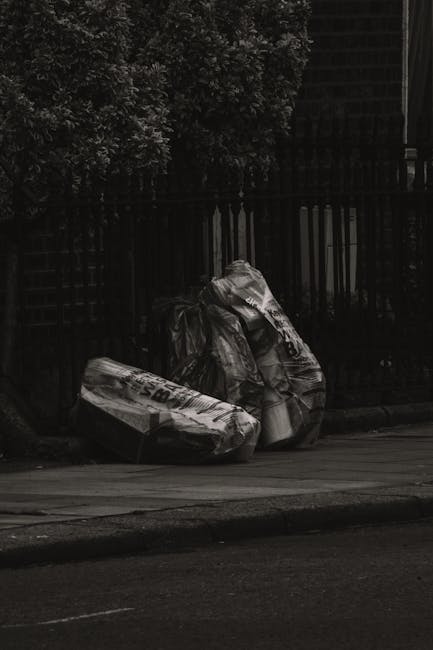
Rubbish collection tips near Liverpool Street Station Spitalfields
If you are trying to sort out rubbish collection tips near Liverpool Street Station Spitalfields, you are probably dealing with one of two things: a small but annoying pile that keeps growing, or a bigger clear-out that needs to happen without disrupting work, neighbours, or a busy day in central London. Either way, the trick is not just "get rid of it" - it is doing it cleanly, legally, and with as little stress as possible.
That matters here more than in many places. Around Liverpool Street and Spitalfields, you are working in a packed, fast-moving part of the city where access can be awkward, timings can be tight, and bin space is rarely generous. The good news? With the right plan, rubbish collection can be straightforward. In this guide, we will walk through what works, what to avoid, how to prepare waste properly, and when it makes sense to use a professional service rather than trying to manage everything yourself.
Why rubbish collection near Liverpool Street Station Spitalfields matters
Waste builds up quickly in this part of London. Offices refresh furniture, flats get renovated, hospitality venues generate packaging and food-related waste, and home clear-outs often uncover far more than people expected. Put all that into a neighbourhood with narrow streets, loading restrictions, and constant foot traffic, and rubbish collection becomes less of a background task and more of a small logistical project.
There is also a practical reputational side to it. For a business, a messy rear yard or overfilled bin area does not just look untidy; it can make daily operations harder and create headaches for staff, visitors, and delivery drivers. For residents, the same issue can mean blocked hallways, odours, pests, and that awkward feeling of not quite knowing where something should go. Truth be told, most waste problems start because people wait too long and then deal with everything in a rush.
Near Liverpool Street Station, timing is everything. You will often notice that the most successful rubbish removals are the ones planned around access, building rules, and what can realistically be lifted out in one visit. That is especially true if you are handling mixed waste, bulky items, or anything that needs special treatment. A sensible approach now saves a lot of scrambling later.
Expert summary: The best rubbish collection is not the fastest-looking one on the day, but the one that is prepared, sorted, and matched to the space you actually have. In Spitalfields, that usually means planning for access first and waste second.
How rubbish collection works in this area
At a basic level, rubbish collection near Liverpool Street Station Spitalfields works like any well-run waste job: you identify what needs removing, separate what can be recycled or reused, check whether any item needs special handling, and arrange the right collection method for the volume and access conditions.
In the real world, though, the details matter. A flat above a shop, for example, may have stairs, a shared entrance, and limited lift use. An office may have confidential paperwork, old monitors, and broken desks all mixed together. A ground-floor basement or storage room can hide a lot more waste than anyone expects - and yes, that "tiny cupboard" somehow contains three chairs, two boxes of cables, and a printer from 2014. Funny how that happens.
A well-organised collection usually follows this pattern:
- Assess the load - list what you have, roughly how much there is, and whether it includes bulky, heavy, or restricted items.
- Separate waste types - general rubbish, cardboard, metal, wood, electricals, furniture, and hazardous materials should not be treated the same way.
- Check access - think about stairs, lifts, loading bays, parking, and any time windows for collections.
- Choose the method - DIY trips, skip hire, or a professional waste removal team all work differently.
- Prepare for collection - place waste where it can be removed safely and quickly, without blocking exits or public paths.
If you are handling a business clear-out, services such as business waste removal can be a better fit than trying to manage bins and ad hoc collections. For domestic waste, a broader waste removal service is often more practical when you have mixed items and limited space.
Key benefits and practical advantages
The obvious benefit is that rubbish disappears. But the real value is what happens around that. A cleaner space is easier to use, easier to maintain, and easier to hand over if you are moving out, renovating, or preparing for a change of use.
Here are the advantages that matter most near Liverpool Street Station:
- Better access and safety - less clutter means fewer trip hazards, blocked routes, and awkward lifting moments.
- Faster day-to-day operations - staff, contractors, or residents can move without working around piles of waste.
- More efficient sorting - separating materials properly can reduce what needs to go to landfill and improve recycling outcomes.
- Less stress during busy periods - if you are managing a move, fit-out, or flat clearance, waste is one less thing to chase.
- Better compliance - the right disposal route helps you avoid the common problems that come from fly-tipping, poor segregation, or using an unlicensed operator.
There is also a quieter benefit: peace of mind. Once you know the waste is gone, properly handled, and not quietly sitting in a corridor or service yard, the whole place feels more under control. That sounds simple, but it makes a real difference.
If your clearance involves old furniture, it can help to look at options like furniture clearance or, where appropriate, furniture disposal. For sofas and large soft items specifically, mattress and sofa disposal is worth considering because those items tend to be awkward to move and easy to mis-handle.
Who this is for and when it makes sense
This topic is relevant to far more people than you might think. In Spitalfields and around Liverpool Street, rubbish collection concerns usually come up for:
- Office managers clearing desks, chairs, packaging, and old equipment.
- Shop owners and hospitality teams dealing with stock packaging, broken display items, or periodic deep-cleans.
- Tenants and landlords managing end-of-tenancy waste or pre-let preparation.
- Homeowners and flat residents making space after decorating, downsizing, or replacing furniture.
- Contractors and developers handling renovation debris or light construction waste.
It makes sense when the waste is more than your regular bins can handle, when access is difficult, or when you simply do not want to spend half a day carrying things to a vehicle and then figuring out where to take them. If that sounds familiar, you are in the right place.
For smaller domestic projects, flat clearance or home clearance may be the natural fit. For larger households or more significant emptying jobs, house clearance can be more appropriate. And if the mess has crept into storage areas too, loft clearance or garage clearance may be the better route.
Step-by-step guidance
Here is a straightforward way to handle rubbish collection near Liverpool Street Station Spitalfields without overcomplicating it.
1. Make a quick waste inventory
Walk through the space and group items into basic categories: general rubbish, cardboard and packaging, furniture, appliances, electricals, garden material, and anything that may be hazardous or restricted. Do not worry about perfect sorting at this stage. You are trying to see the shape of the job.
2. Remove the obvious no-go items
Set aside anything that needs special care. Fridges, freezers, certain chemicals, paints, sharp materials, and some electrical waste should not be treated like normal black-bag rubbish. If in doubt, keep these apart until you confirm the right disposal route.
3. Decide what can be reused, donated, or recycled
Not everything needs to be thrown away. Usable office chairs, sturdy shelves, and some home furnishings may have a second life. Cardboard, metals, and many clean materials may also be recyclable. A little thought here reduces waste and often makes the whole load easier to handle.
4. Check the building and street access
This is the bit people sometimes skip, and then regret. Where will the items leave the property? Is there a lift? Is there a loading bay? Can a vehicle stop nearby, even briefly, without causing trouble? In dense parts of the city, those questions decide whether collection feels easy or painfully clumsy.
5. Match the collection method to the load
If you have a small amount of bagged rubbish, simple removal may be enough. If you have bulky furniture or multiple room clear-outs, you may want a more comprehensive service. For renovation debris, builders waste clearance is often the better fit. If the waste is being produced by a company or fit-out project, review business waste removal as well.
6. Prepare the items for collection
Break down boxes, remove loose contents, tape sharp edges, and keep pathways clear. If the team can reach the items easily, the job goes faster and safer. That matters more than people think.
7. Confirm payment, timing, and what is included
Before collection day, make sure you understand the quote, what happens with heavy items, and whether there are any limits on item types. If the job includes specialist items like appliances, check that the service covers them. You can review pricing and quotes and, if needed, book online once you know what you need.
Expert tips for better results
Small changes make a surprisingly big difference. In our experience, the smoothest waste collections are usually the ones where the customer has spent ten minutes preparing and not ten hours worrying. A few practical habits help a lot:
- Take photos before collection so you can judge volume properly and avoid underestimating the load.
- Keep different waste streams apart rather than piling everything into one corner. It saves sorting time later.
- Label anything unusual - for example, fragile items, confidential boxes, or appliance parts.
- Protect shared areas in flats or office buildings with clear routes and, if needed, simple floor protection.
- Use the quietest access window where possible. Early morning or mid-afternoon can sometimes be easier than peak commuter times, though buildings differ.
- Ask about recycling handling if sustainability is important to you. Many clients want confidence that reusable or recyclable material is being handled responsibly.
If your clearance includes confidential paperwork, do not just toss it in with everything else. A dedicated confidential shredding approach is the safer option, especially for offices and professional practices. That one detail can save a lot of unnecessary risk.
And if you are removing white goods, it is worth checking specialist handling for fridge and appliance removal. These items can be heavy, awkward, and a bit stubborn - like they are actively trying to slow you down. They are not, of course, but it can feel that way on a rainy London afternoon.
Common mistakes to avoid
Most rubbish collection problems are predictable. That is the annoying part. The good news is that once you know the typical missteps, you can avoid them quite easily.
- Leaving sorting until the last minute - this creates confusion and often leads to mixed waste that is harder to process.
- Overfilling bags or boxes - overloaded containers are harder to move and more likely to tear.
- Ignoring access issues - if a vehicle cannot stop legally or safely, everything becomes slower and more expensive.
- Mixing hazardous items with general waste - that is a safety issue, not just an admin problem.
- Forgetting about bulky item handling - sofas, fridges, and office desks often need more planning than small bags of rubbish.
- Using vague instructions - "take the stuff from the back" is not enough when there are several areas and multiple item types.
One common error in flats and offices is assuming that "someone else" will deal with the final stage. Usually that means nobody does. If you want the collection to run smoothly, write down who is moving what, where it is being placed, and what time the pickup is expected. Boring? Maybe. Effective? Absolutely.
Tools, resources and recommendations
You do not need fancy equipment for most collections, but a few simple tools make life easier.
- Heavy-duty bin bags or rubble sacks for loose rubbish.
- Marker pens and labels to identify waste categories or special items.
- Gloves and basic handling gear for sorting and moving smaller items.
- Tape, tie wraps, and boxes for bundling cables, paper, or loose components.
- A tape measure to check whether bulky furniture will fit through stairs, lifts, or doorways.
- Mobile photos so you can show the load clearly when requesting a quote.
From a service perspective, it also helps to know which waste stream you are dealing with before you ask for help. For example, a mixed domestic clear-out is different from a business move, and a simple rubbish load is different from a difficult item list that includes a mattress, a fridge, and a dismantled wardrobe. That is where the right service choice matters.
Useful related pages include recycling and sustainability if you want to reduce environmental impact, and what can go in a skip if you are comparing disposal methods and want a better feel for acceptable material types.
Law, compliance, standards, and best practice
Waste handling in the UK is not something to treat casually. You do not need to become a legal expert to manage rubbish properly, but you do need to understand a few common-sense points.
First, waste should be transferred to a legitimate handler and not dumped or abandoned. Second, different waste types need different treatment. Third, if you are responsible for business waste, you should be confident about how it is stored, removed, and documented. Those are best-practice basics, and they matter whether you are a small shop, a growing office, or a landlord managing multiple properties.
Health and safety also matters. Heavy lifting, broken glass, sharp metal, and awkward furniture are all predictable risks. Good manual handling, sensible route planning, and clear communication reduce the chance of injuries and damage. If you are choosing a provider, it is sensible to review their health and safety policy and insurance and safety information so you know how they approach the work.
For sensitive or regulated items, use the correct specialist route rather than hoping they can be hidden in general waste. That is especially true for electrics, refrigeration units, confidential material, and anything that may be considered hazardous. The safest waste process is usually the one that is deliberate, not improvised.
It is also wise to check service terms before you commit. A quick look at terms and conditions can prevent misunderstanding, while payment and security helps you understand how transactions are handled. Not glamorous, but very useful.
Options, methods, and comparison table
If you are deciding how to handle rubbish near Liverpool Street Station Spitalfields, these are the most common methods. Each has a place, but one is usually better depending on access, volume, and time pressure.
| Method | Best for | Pros | Watch-outs |
|---|---|---|---|
| DIY removal | Very small loads, light bags, simple household waste | Low direct cost, full control | Time-consuming, parking and transport hassles, multiple trips |
| Skip hire | Ongoing work, larger projects, builder-style waste | Convenient for repeated disposal, good for mixed bulky waste | Needs space, permits or placement planning may apply, access can be tricky |
| Professional rubbish collection | Busy homes, flats, offices, bulky loads, tight schedules | Fast, labour included, less disruption | Must be clear about item types, volume, and access conditions |
For most people in this area, professional collection is the most convenient route when the waste includes heavy items or the property is not easy to access. If the job is mainly domestic and involves a mix of furniture and clutter, home clearance or house clearance may save a lot of faffing about. For commercial spaces, office clearance is often the better fit.
Case study or real-world example
Here is a very typical kind of scenario. A small design agency near Liverpool Street decides to refresh the office after a client-heavy quarter. They have two worn-out desks, several broken chairs, old monitor boxes, a few bags of mixed rubbish, and a cabinet full of outdated paperwork. Nothing dramatic, but enough to clog the room and make it feel cramped.
At first, they think they can manage it in-house. Then they look at the lift, realise there is a narrow hallway, and notice that the loading area is only usable for short windows. Suddenly the "simple clear-out" feels a bit less simple. So they sort the items by type, separate the confidential paperwork, photograph the bulky furniture, and arrange the job in advance. On collection day, the space clears quickly because everything is already prepared.
That kind of result is common. The success is not magic. It comes from doing the basic things properly: sorting early, planning access, and using the right disposal route for each item. Small effort, big difference.
If the clear-out also includes soft furnishings, you may want to compare options with mattress and sofa disposal. If there is leftover renovation material, builders waste clearance may better reflect the load.
Practical checklist
Use this checklist before your collection day. It is simple, but it catches most of the usual issues.
- List all waste items and group them by type.
- Separate hazardous, confidential, electrical, and bulky items.
- Measure large furniture or appliances if access is tight.
- Check stairs, lifts, parking, and loading access.
- Make sure the collection route is clear and safe.
- Confirm what the quote includes and whether labour is covered.
- Set aside reusable items before the rest is removed.
- Keep bins, exits, and shared hallways unobstructed.
- Take photos of the load if you want a faster quote.
- Review any special handling needs in advance.
A quick checklist like this can turn a messy job into a calm one. Not exciting, admittedly, but very effective.
Get a free quote today and see how much you can save.
Conclusion
Rubbish collection tips near Liverpool Street Station Spitalfields really come down to three things: plan early, sort properly, and choose a collection method that fits the space you actually have. In a busy part of London, waste is rarely just "rubbish" - it is a timing issue, an access issue, and sometimes a compliance issue too.
Once you understand that, the whole process becomes more manageable. Whether you are clearing a flat, refreshing an office, handling furniture, or dealing with a mixed load after a renovation, a bit of preparation makes the job easier, safer, and less disruptive. And that is usually what people want most: not perfection, just a clean finish without the drama.
For further details on the company, you can also review about us, or if you are ready to talk things through, use contact us. If you prefer to understand the broader service offering, waste removal is a useful place to start.
Sometimes the best part of a clear-out is simply standing in the space afterwards, hearing the echo a bit more, and realising it all feels lighter. Nice feeling, that.
Frequently Asked Questions
What is the easiest way to arrange rubbish collection near Liverpool Street Station Spitalfields?
The easiest route is usually to sort your waste into clear categories, photograph the load, check access, and arrange a service that matches the item types and volume. If the collection involves bulky items or limited access, professional removal is often simpler than trying to do several DIY trips.
Can I mix furniture, bags of rubbish, and office waste together?
Sometimes mixed loads are accepted, but it is better to separate items where you can. Furniture, paper, packaging, electricals, and general rubbish may be handled differently, and mixed loads can affect pricing and recycling. A little sorting usually saves time.
What should I do with a fridge or other appliance?
Keep appliances separate and use a collection route that handles them properly. White goods are heavy and can contain materials that need specialist treatment, so they should not just be left with ordinary rubbish.
How do I know if a collection service is suitable for a flat or office in Spitalfields?
Check whether the provider can deal with stairs, lifts, restricted access, and time-sensitive loading. If your building has narrow routes or shared areas, tell them in advance so they can plan the removal properly.
Is it better to choose skip hire or rubbish collection?
Skip hire can work well for ongoing projects or heavier construction waste, while rubbish collection is often better for fast clear-outs, bulky items, and locations with poor access. The best choice depends on space, time, and the type of waste you have.
Do I need to sort recyclable items before collection?
It helps a lot. Sorting cardboard, metal, clean wood, and reusable items before collection can improve recycling outcomes and make the removal faster. It is not always essential, but it is a sensible habit.
What is the safest way to handle confidential waste?
Put confidential documents aside and use a dedicated shredding route rather than mixing them with general rubbish. That is especially important for offices, clinics, and businesses handling sensitive records.
How far in advance should I book a collection?
For routine jobs, a short lead time may be enough. For larger clear-outs, busy office moves, or jobs with access restrictions, booking earlier is wiser. The more complicated the site, the more planning you need.
What should I ask for in a quote?
Ask what item types are included, whether labour and loading are covered, how bulky items are priced, and whether any special handling applies. A clear quote is better than a cheap-looking estimate with surprises attached later.
Can rubbish collection help with a full flat or house clearance?
Yes, absolutely. If the waste is part of a bigger clear-out, services like flat clearance, home clearance, or house clearance may be more suitable than a basic one-off pickup.
What if my rubbish includes items that might be hazardous?
Keep them separate and do not place them in with ordinary waste. Hazardous items need careful handling, so it is better to check the correct disposal route before collection day. When in doubt, treat them as separate until confirmed otherwise.
Does recycling matter for small collections too?
Yes. Even a small job can contain cardboard, metal, or reusable furniture that should not go to waste unnecessarily. Small improvements add up, and they often make the collection feel tidier too.
Where can I read more about the company policies and service details?
You can look at the relevant pages for pricing and quotes, insurance and safety, health and safety policy, and recycling and sustainability to get a fuller picture before booking.